

🏗️ Architecting Scalable, Real-Time AI Chatbots: Principles, Patterns, and Real-World Challenges
Why “Hello World” in a notebook is easy, but production-scale AI chatbots are a true engineering feat.
🚀 Executive Summary
Building a chatbot demo is simple. Delivering a real-time, context-aware, scalable AI assistant—serving thousands or millions globally, with enterprise reliability, memory, and observability—is a vastly different challenge. This article details the architecture, design principles, and real-world problems you must solve to go from prototype to production.
🧩 Detailed Architecture: Layers & Components
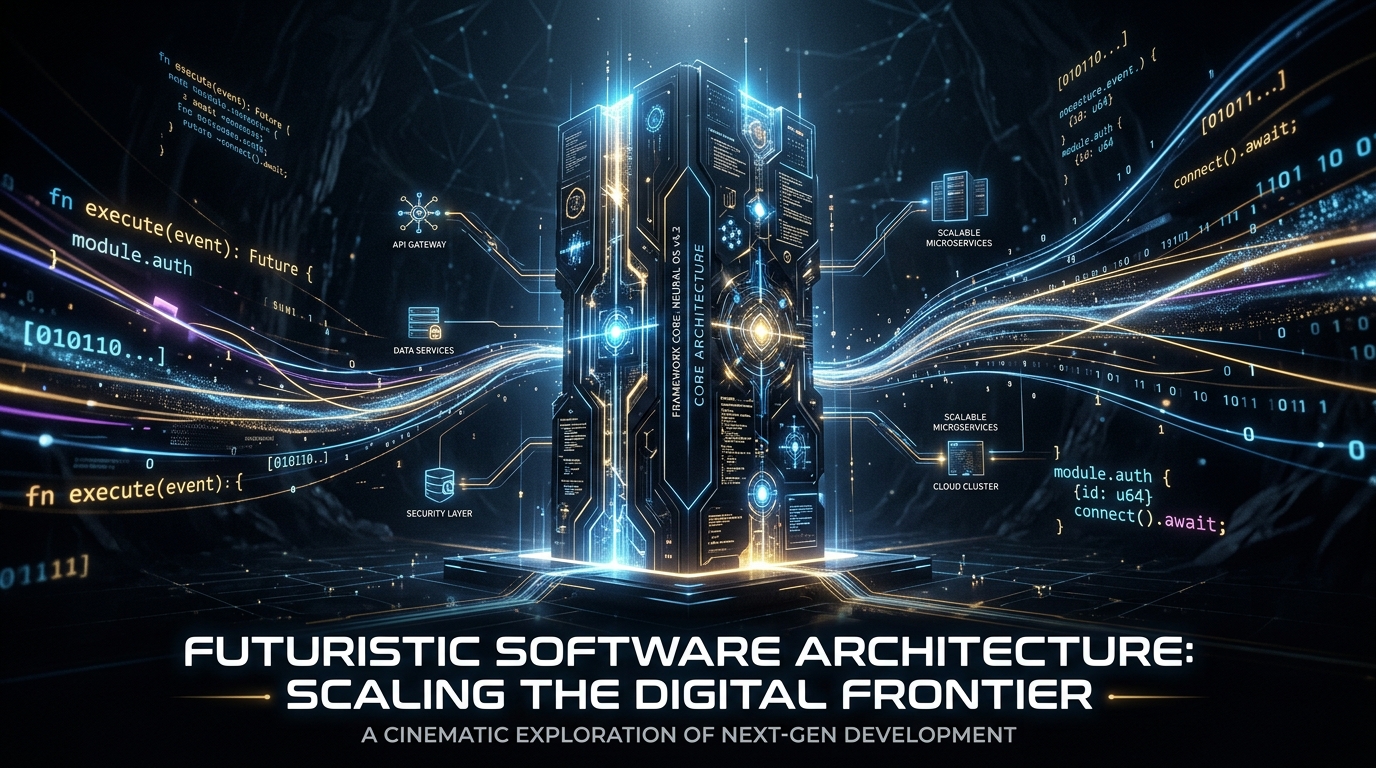
Modern scalable chatbots are not monoliths—they are modular, event-driven, and cloud-native. Here’s a breakdown of the architecture:
| Layer | Role & Technologies |
|---|---|
| User Interface | Web/mobile app with SSE or WebSockets for real-time streaming |
| API Gateway | REST/SSE endpoints (NestJS/Node.js), Kafka producer, authentication, throttling |
| Message Broker | Apache Kafka (partitioned, distributed, backpressure handling) |
| AI Agent Pool | Python microservices, Kafka consumers, LLM API integration, retrieval logic |
| Memory Store | Elasticsearch (vector search for RAG), scalable document store |
| Persistence | PostgreSQL/MongoDB (batched inserts for efficiency) |
| Monitoring | ELK stack (Elasticsearch, Logstash, Kibana), Prometheus, Grafana |
| Orchestration | Docker, Kubernetes (auto-scaling, rolling updates, self-healing) |
| MLOps | CI/CD, retraining pipelines, model registry, A/B testing |
 ---
---
System Flow
- User sends a message via the UI.
- API Gateway authenticates, rate-limits, and publishes the message to Kafka.
- AI Agent (Python) claims the message (Robinhood/partitioned scheduling), retrieves context from Elasticsearch (RAG), and generates a response with the LLM.
- Streaming: Each token is published to a Kafka streaming topic and streamed to the frontend via SSE/WebSocket.
- Persistence: Batch workers assemble tokens and persist full messages to the database and Elasticsearch every few minutes.
- Monitoring: All components log to ELK; Prometheus/Grafana track metrics and health.
- MLOps: Feedback and logs feed retraining pipelines and model updates.
⚙️ Key Principles Behind Scalable Chatbot Architectures
1. Modularity and Separation of Concerns
- Why: Each component (UI, API, agent, memory, persistence) is independently deployable and upgradable.
- How: Microservices communicate via Kafka, not direct calls, ensuring loose coupling and resilience[3][8].
2. Event-Driven, Asynchronous Processing
- Why: Decouples producers and consumers; absorbs traffic spikes; enables horizontal scaling.
- How: Kafka topics for messages, streaming, and persistence[3][2][7][8].
3. Statelessness and Elasticity
- Why: Stateless services can scale out/in easily; state is externalized to Kafka and databases.
- How: Use Kubernetes for auto-scaling, rolling updates, and self-healing[3][7][8].
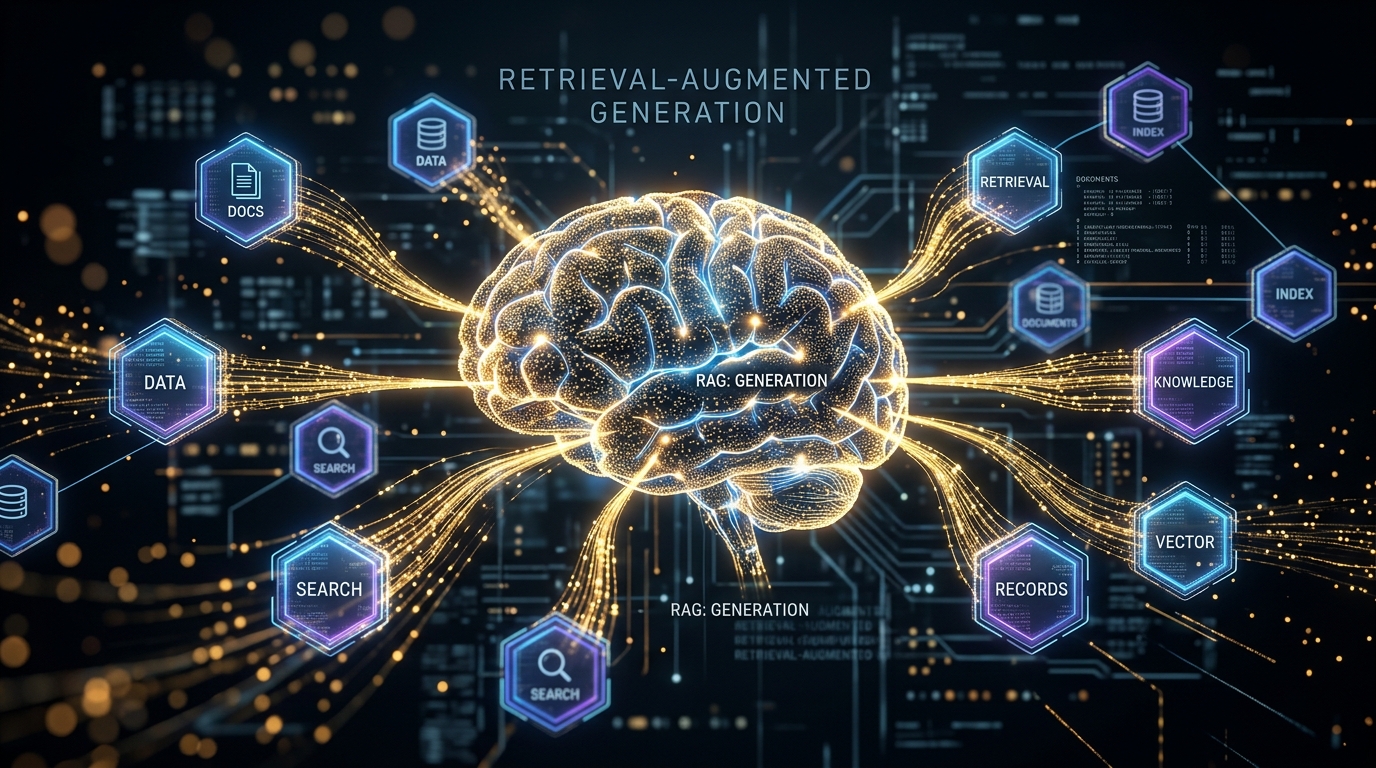
4. Retrieval-Augmented Generation (RAG)
- Why: LLMs alone forget context; RAG enables memory and accurate, context-aware responses.
- How: Store and retrieve conversation history with vector search (Elasticsearch)[3][1][11].
5. Observability and Monitoring
- Why: Production systems need real-time insights and fast incident response.
- How: Centralized logging (ELK), metrics (Prometheus), and dashboards (Grafana)[3][2][8].
6. Write Optimization and Cost Efficiency
- Why: Direct DB writes per message don’t scale; batching reduces IOPS and costs.
- How: Batch persistence (every 1-2 minutes) for chat history and memory[2][7][13].
7. Security and Compliance
- Why: Chatbots process sensitive data; must meet GDPR, HIPAA, and enterprise security standards.
- How: Encryption, authentication, regular audits, and compliance checks[4][9][14].
8. MLOps and Continuous Improvement
- Why: LLMs and retrievers evolve; pipelines must support retraining, versioning, and A/B testing.
- How: CI/CD for models and code, feedback loops, automated retraining[3][10].
🛑 Real-World Deployment Problems (and Solutions)
1. Integration Complexity
- Problem: Connecting to legacy CRMs, ERPs, and internal APIs is slow and error-prone[4][14].
- Solution: API-driven microservices, robust middleware, and early IT involvement[4][14].
2. Data Security & Compliance
- Problem: Risk of data breaches, regulatory fines, and loss of user trust[4][9][14].
- Solution: Strong encryption, secure storage, multi-factor authentication, and compliance audits[4][9][14].
3. Scalability Bottlenecks
- Problem: Monolithic or synchronous designs choke under high load[2][7][8].
- Solution: Distributed, event-driven microservices with auto-scaling and load balancing[2][7][8].
4. Language and Understanding Gaps
- Problem: LLMs misinterpret slang, technical terms, or multi-part queries[5][12][14].
- Solution: Diverse, high-quality training data; continuous NLP tuning; fallback to human agents[5][12][14].
5. User Engagement and Retention
- Problem: Bots feel repetitive, robotic, or slow—users drop off[5][12][14].
- Solution: Personalization, fast streaming responses, context retention, and UI/UX best practices[5][12][14].
6. Cost Management
- Problem: Infrastructure costs balloon as user base grows[10][13].
- Solution: Batching, caching, cloud auto-scaling, and careful resource allocation[2][7][8][13].
7. Monitoring and Incident Response
- Problem: Failures go undetected, leading to outages or degraded service[2][3][8].
- Solution: Centralized logging, real-time metrics, alerting, and health checks[2][8].
8. Managing Expectations and Scope
- Problem: Overpromising AI capabilities leads to disappointment and scope creep[4].
- Solution: Set realistic goals, phased rollouts, and clear stakeholder communication[4].
🏆 How This Architecture Solves Real-World Challenges
| Challenge | Architectural Solution |
|---|---|
| Integration | API-first, modular microservices |
| Security & Compliance | Encryption, authentication, compliance audits |
| Scalability | Kafka, Kubernetes, stateless microservices, auto-scaling |
| Reliability | Event-driven, distributed, self-healing systems |
| Language Understanding | RAG, diverse training data, fallback logic |
| Cost Control | Batched writes, caching, auto-scaling, cloud-native deployment |
| Monitoring | ELK, Prometheus, Grafana, real-time alerting |
| Continuous Improvement | MLOps pipelines, retraining, A/B testing |
| User Engagement | Streaming UI, personalization, context-aware responses |
🧠 Conclusion: Architecting for Scale, Reliability, and Delight
Production-grade AI chatbots are engineered—never just “deployed.”
By following these principles and patterns, you can deliver chatbots that are:
- Scalable: Ready for millions of users, not just demos.
- Reliable: Always-on, self-healing, and observable.
- Contextual: Remembering and adapting to every user.
- Cost-Efficient: Optimized for cloud, traffic, and storage.
- Continuously Improving: MLOps-ready for the future.
“Don’t just build AI. Build AI that scales, delights, and endures.”
#AIChatbot #SystemDesign #ScalableArchitecture #Kafka #Kubernetes #ELK #MLOps #RAG #ChatbotDeployment #Observability #Security #CloudNative